
Research to practice for human capability
The Pursuit of Mastery Is Supposed to be Hard. We Provide the Tools to Help You Navigate It.
I translate research on learning, leadership, human performance, mindset, focus, resilience, and flow states for individuals and organizations doing difficult work under impossible conditions.
No hacks. No universal system. Evidence, context, tools, and resources you can adapt for your life and circumstances.
Why this exists
Mastery is not a finish line.
It’s the lifelong pursuit of greater capability in something that matters, built through sustained practice, honest feedback, and adaptation. There is no point at which it’s finished.
I read the research on how that actually works and write about what it supports and where it stops. What you build from it is yours to assemble.
What you’ll find here
I analyze and present the research and evidence on leadership, human performance, learning, practice, motivation, attention, and recovery. I translate it into things you can actually use — courses, short books, a podcast, and evidence briefs built to help you work out how it applies to your own life. Where the evidence is thin, I say so, even when that runs against conventional wisdom and popular opinion.
Free sample course
Take one at no cost first
The 5-Day Challenge to Improve Your Mental Health is free. Five days, about fifteen minutes each, with a short exercise every day. It runs exactly like the paid courses, so you can see how they work before spending anything.
Read Chapter 1 of Focused, free.
Join the newsletter and your welcome email brings the first chapter of Focused as a PDF. After that: new Mastery Notes, podcast episodes and book releases, sent when they happen.
Unsubscribe at any time. Your information is never sold.
The books
The Mastery Series.
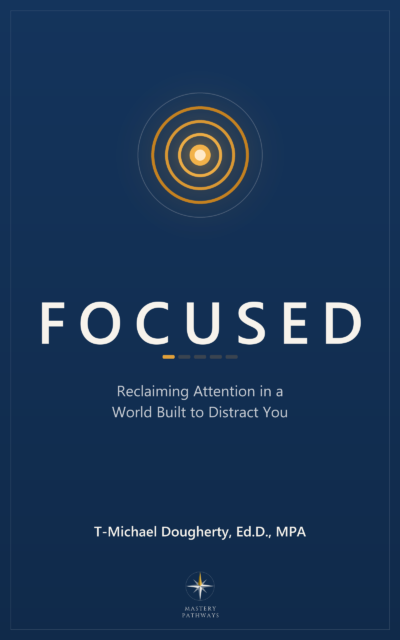
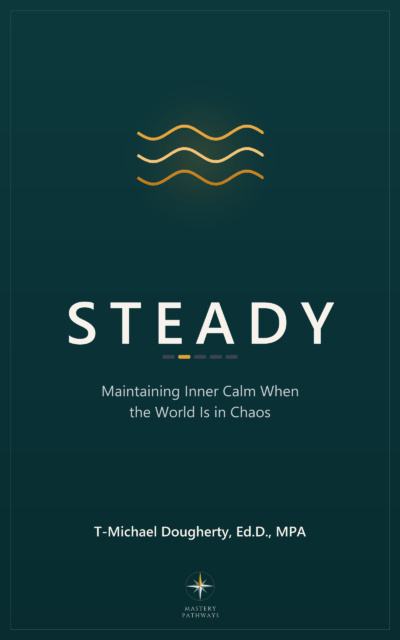
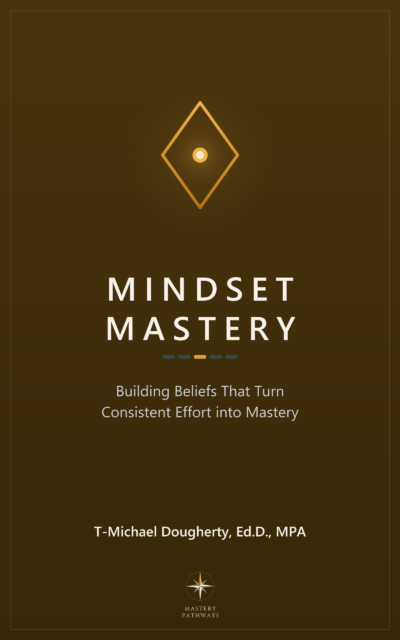
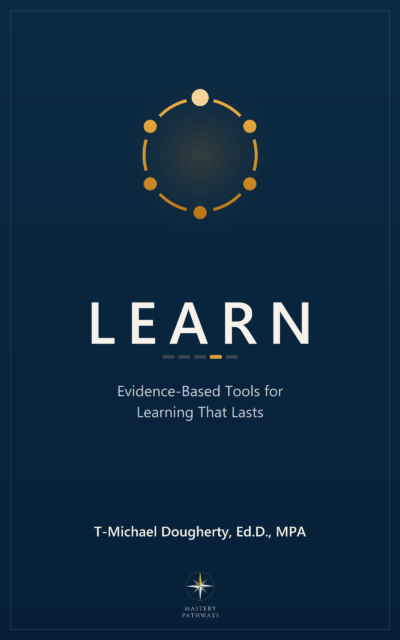
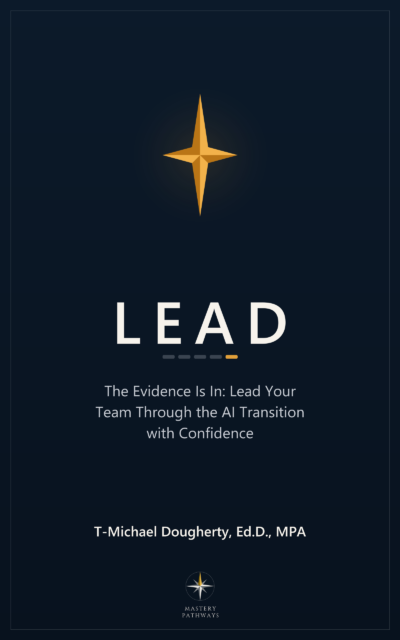
Five short books. Each takes the research in one area and turns it into ideas, tools, and approaches you can put to use. The first three, Focused, Steady and Mindset Mastery, are out now on Amazon, and so is the fifth, Lead. The fourth, Learn, is available for pre-order on Kindle. Subscribers hear first when each one releases.
The podcast
The Mastery Project Podcast
The science of learning and performance, in pursuit of mastery.
Two formats. Long-form episodes take up a theme — how we learn, practice, hold attention, perform under pressure, lead, or keep going — and work through it from several angles: the questions worth asking, what researchers actually found, and where the evidence stops. Mastery Briefs run three to five minutes and take up a single idea from a longer episode, grounded in one study or one author’s work.
How to Study When You're Tired After Work (Without More Willpower)
If you make a plan in the morning to study for two hours tonight, finish a project, or stay calm with a difficult coworker, and the plan falls apart by eight o'clock at night, this episode explains why that happens and what you can do about it.
ListenCourses
Self-paced courses you can start today.
Courses you can pick from as they fit — professional development, personal development, or whatever you’re working on at the moment. They’re offered here as a way to learn these things in a format that holds your attention. Each is self-paced, yours for a year, and ends with a Certificate of Completion.
Leadership & management
Health & wellbeing
Professional development
FREE CHAPTER
Read Chapter 1 of Focused, free.
Join the newsletter and your welcome email brings the first chapter of Focused as a PDF: what researchers have learned about how attention works in the brain.
Unsubscribe at any time. Your information is never sold.